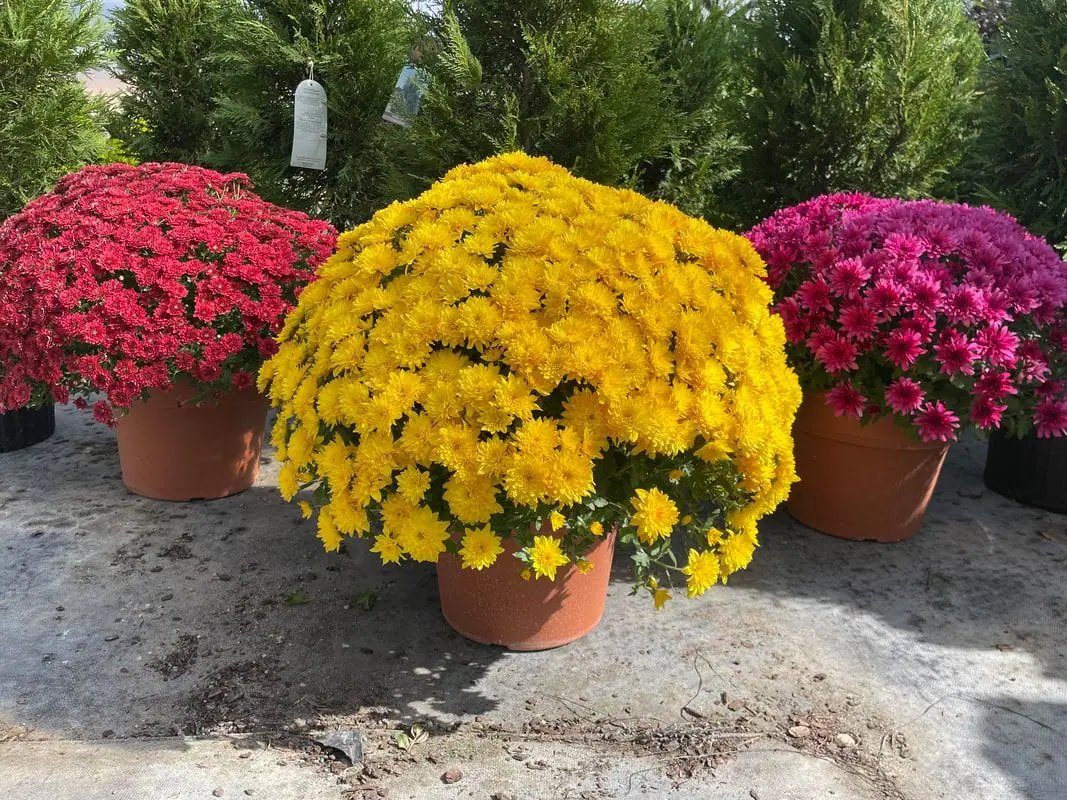
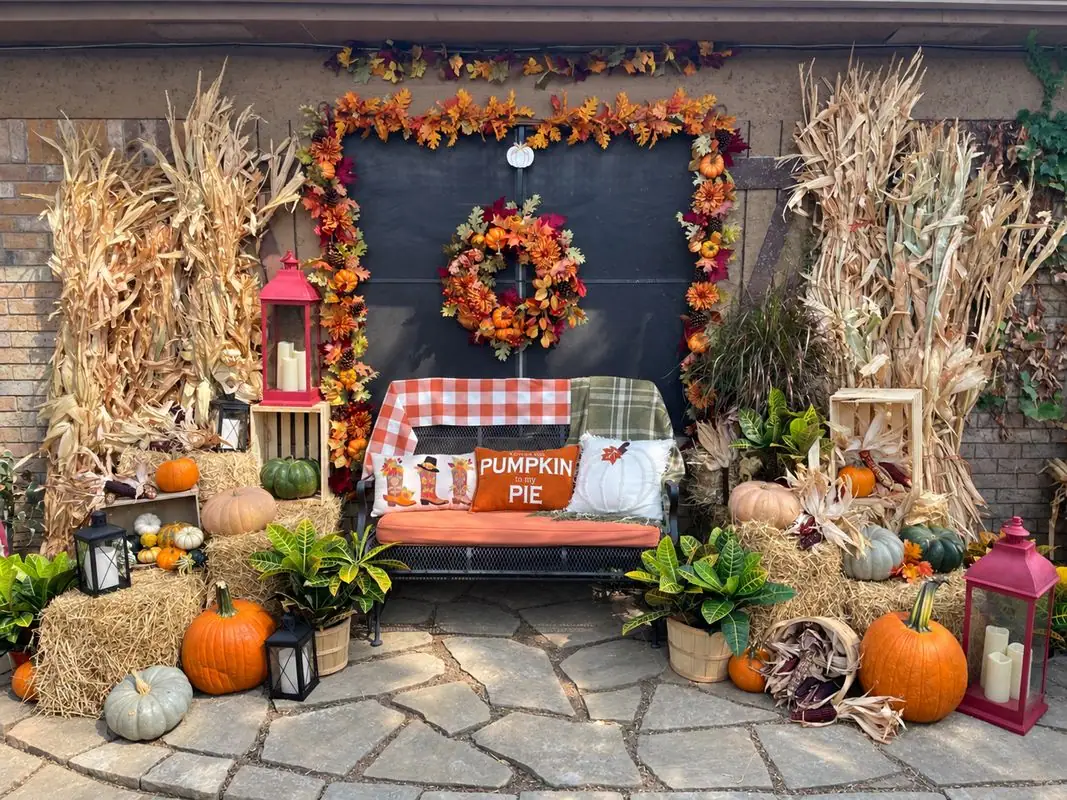
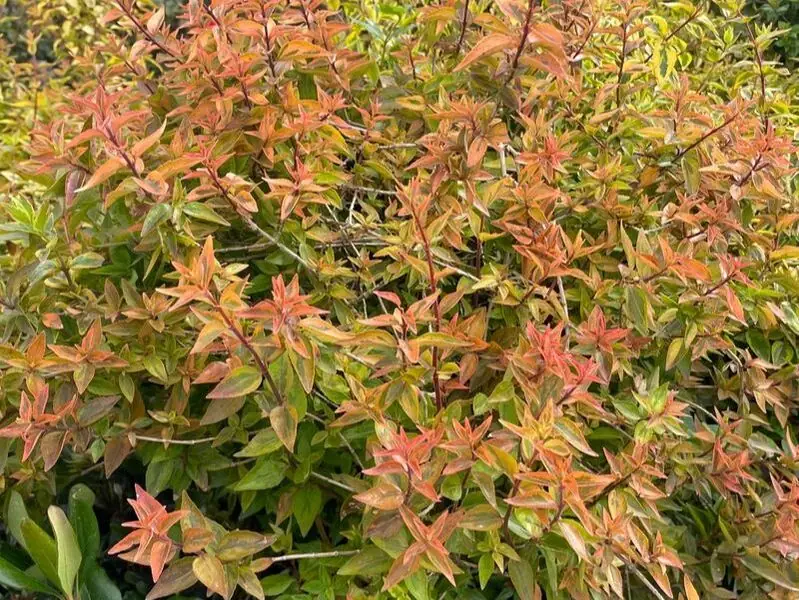
Fall color in North Texas is not limited to pumpkins, mums and a few weeks of flowers. With thoughtful plant selection and proper timing, beds and containers can remain colorful from early fall through winter and into spring.
The challenge is that fall rarely arrives all at once. September may still feel like summer, October can alternate between hot afternoons and cool nights, and the season’s first freeze may arrive with little warning. A plant that performs beautifully in late September may not be the plant that carries the landscape through January. The best fall displays account for these changes instead of depending on one type of flower to perform perfectly through every stage of the season.
The challenge is that fall rarely arrives all at once. September may still feel like summer, October can alternate between hot afternoons and cool nights, and the season’s first freeze may arrive with little warning. A plant that performs beautifully in late September may not be the plant that carries the landscape through January. The best fall displays account for these changes instead of depending on one type of flower to perform perfectly through every stage of the season.
Plan for More Than One Phase of Fall
Rather than treating fall as a single planting season, divide it into three general phases.
1. Early Fall: The Transition Period
Early fall in North Texas may still include temperatures that are too warm for some traditional cool-season plants. This is a transition period when heat-tolerant summer annuals may still look good, while fall plants such as petunias, ornamental peppers, mums and some foliage plants begin appearing. There is no need to remove every healthy summer plant as soon as September arrives. Pentas, angelonia, vinca, zinnias and other warm-season annuals may continue blooming until temperatures become too cold.
Start by removing plants that are declining, overgrown or diseased. Keep healthy plants that are still contributing to the display, then fill empty areas with selections suited to the changing season. This gradual transition can save time and reduce the risk of installing cold-loving plants while the soil and air are still excessively warm.
2. Mid-Fall: Prime Planting Time
As daytime and nighttime temperatures become consistently cooler, pansies, violas, snapdragons, dianthus, alyssum, dusty miller, ornamental kale and other cool-season choices can begin settling into the landscape. This is often the best time to create the main structure of a fall and winter display. Plants can establish before severe cold arrives without enduring the extreme heat of late summer.
3. Late Fall and Winter: Cold-Weather Performance
After the first freezes, tender fall plants may decline while cold-tolerant selections continue growing or blooming. Some plants slow noticeably during the coldest periods and begin flowering more heavily again when mild weather returns. This is normal. Winter color does not always look exactly the same from week to week. A long-lasting display should contain enough cold-tolerant plants to remain attractive after tender transitional plants are removed.
Begin With the Growing Conditions
It is easy to choose fall color based only on flower color, but the planting site will determine whether those plants remain attractive.
Before selecting anything, consider:
A sunny bed near pavement will behave differently from a protected bed on the north side of a building. Containers also dry out and change temperature more quickly than plants growing in the ground. Matching plants to these conditions will do more for their longevity than choosing them by appearance alone.
Before selecting anything, consider:
- How many hours of direct sunlight the area receives
- Whether the sunlight occurs in the morning or afternoon
- How quickly the soil drains after rain or irrigation
- Whether the area is exposed to strong winter wind
- Whether the plants will be installed in the ground or in containers
- How often someone can check and water the planting
- Whether deer, rabbits or pets regularly enter the area
A sunny bed near pavement will behave differently from a protected bed on the north side of a building. Containers also dry out and change temperature more quickly than plants growing in the ground. Matching plants to these conditions will do more for their longevity than choosing them by appearance alone.
Choose a Dependable Base Plant
Begin with one or two reliable plants that will provide most of the display’s color.
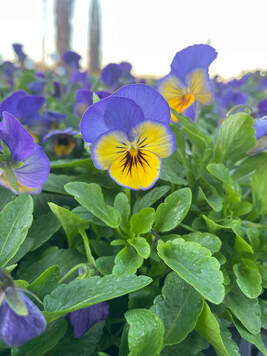
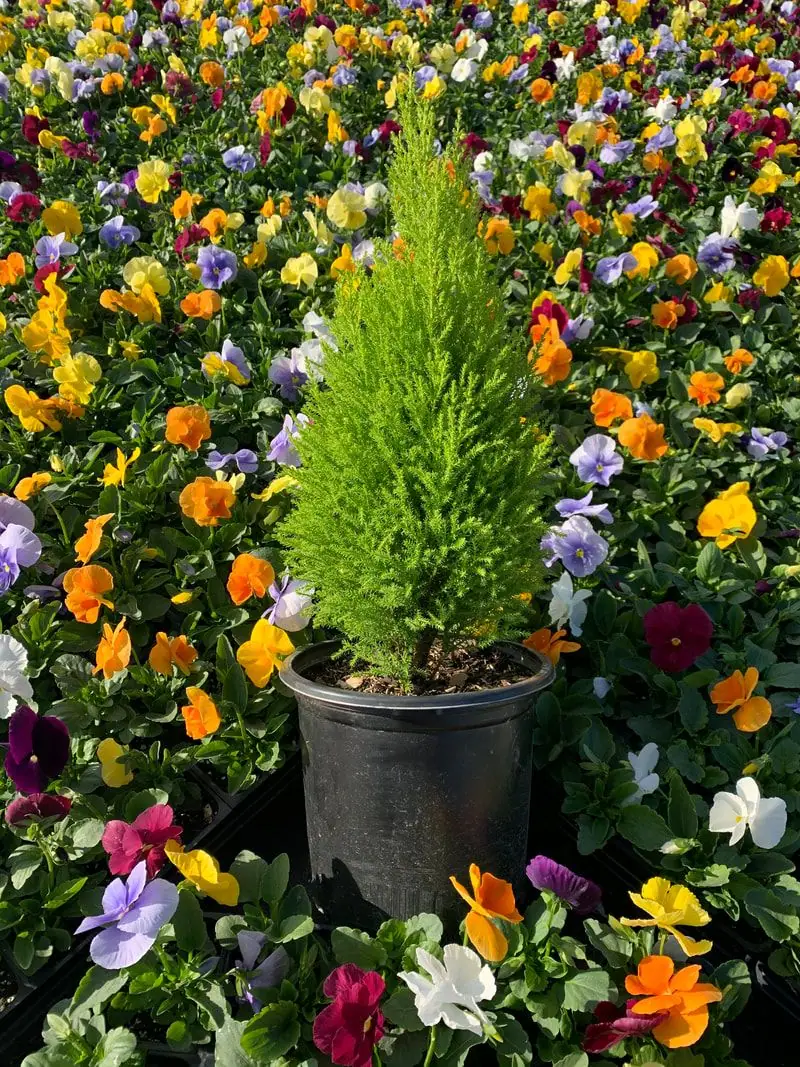
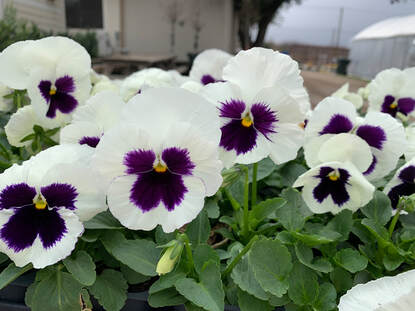
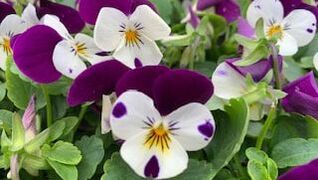
- Pansies: Pansies are among the most recognizable choices for North Texas winter color. Their large flowers are available in solid colors, blotched faces and mixes. They perform best in cooler weather and generally bloom most heavily in sunny locations. They can be used in mass plantings, borders and containers. Pansies may pause during periods of severe cold, but established plants often recover and resume growing when conditions improve.
- Violas: Violas produce smaller flowers than pansies, but they often compensate with a large number of blooms. Their compact size makes them useful along bed edges, between larger plants and in containers. They are especially helpful when a softer, more natural appearance is desired.
- Petunias: Petunias can be an excellent choice during the milder part of fall. They provide abundant flowers and work well in beds, hanging baskets and containers. However, petunias are not as cold-tolerant as pansies and violas. A hard freeze can damage or kill them, so consider them part of the transitional fall display rather than the only plant expected to carry the landscape through winter.
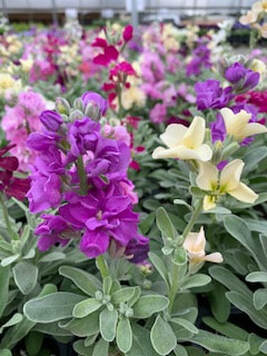
- Snapdragons: Snapdragons add upright flower spikes and are valuable for introducing height into a flat bed of low-growing annuals. Different varieties can vary significantly in mature height. Shorter snapdragons work well near the front or middle of a bed, while taller varieties create stronger vertical accents toward the back.
- Dianthus and Alyssum: Dianthus provides compact growth and bright flowers in shades of pink, red and white, while alyssum creates a low-growing edge with clusters of small flowers and a soft texture. Both can help fill the visual space between larger plants and make a display feel complete.
Add Foliage for Structure
Flowers naturally attract attention, but foliage often keeps a winter display looking intentional when blooms temporarily slow. Useful foliage and structural accents may include:
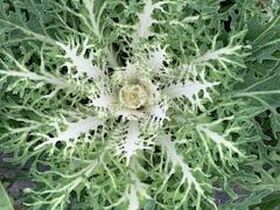
- Dusty Miller: Dusty miller’s silver-gray foliage contrasts with purple, red, pink, blue and white flowers. Its color remains useful even when it is not surrounded by blooms.
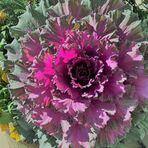
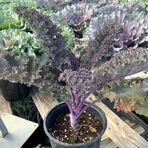
- Ornamental Kale and Cabbage: Ornamental kale and cabbage develop broad leaves and rosette forms that add substance to a planting. Their foliage may include green, white, pink and purple tones. They become especially attractive as temperatures cool, but their mature size should be considered when spacing. Small transplants can eventually occupy considerably more room than expected.
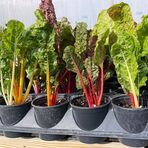
- Swiss Chard, Mustard and Other Leafy Accents: Colorful Swiss chard, mustard and similar edible or ornamental foliage plants can add height, texture and unexpected color. These plants are especially effective in mixed beds where the goal is a garden-inspired look instead of a solid block of flowers.
- Rosemary and Small Evergreens: Upright rosemary, lemon cypress and other structural container plants can serve as central accents. Their form gives the arrangement height even when surrounding flowers are between bloom cycles.

Consider Space for the Plant’s Mature Size
New transplants may look small and widely spaced on planting day. Crowding them together for immediate fullness can create problems later. Overcrowded plants compete for water and nutrients. Dense growth can also reduce air circulation and make it easier for fungal problems to develop during cool, wet weather. Check the recommended spacing for each variety. If an immediate display is important for a short event or seasonal installation, plants may be spaced somewhat more closely, but understand that additional maintenance or earlier replacement may be necessary. Landscape professionals will also consider the expected display period. A bed intended to last several months needs more room for growth than an installation designed for a short event.
Prepare the Bed Before Planting
Seasonal color performs best in loose, well-drained soil. Many North Texas beds contain heavy clay or compacted soil that restricts roots and holds excess moisture.
Before planting:
Do not create isolated pockets of highly amended soil surrounded by compacted clay. Prepare the planting area as evenly as practical so roots can expand beyond the original holes.
Before planting:
- Remove weeds, roots and declining seasonal plants.
- Remove diseased plant material from the site.
- Loosen compacted soil without working it while it is saturated.
- Add appropriate organic matter or planting mix when needed.
- Correct serious drainage problems before installing new plants.
- Rake the bed smooth and plan the layout before digging individual holes.
Do not create isolated pockets of highly amended soil surrounded by compacted clay. Prepare the planting area as evenly as practical so roots can expand beyond the original holes.
Plant at the Correct Depth
Planting too deeply can cause seasonal color to struggle, particularly during periods of cool, wet weather. Set each plant so the top of its root ball is level with the surrounding soil. Avoid covering the crown or piling mulch directly against the stems. Gently loosen tightly circling roots when appropriate, place the plant in the prepared hole and firm the soil enough to eliminate large air pockets without compacting it heavily. Water the entire bed thoroughly after planting.
Water According to the Weather
Cooler temperatures reduce water use, but newly installed plants still need consistent moisture while establishing.
Check the soil rather than watering automatically.
Wilting does not always mean a plant needs more water. Plants with damaged or waterlogged roots can wilt even in wet soil. Feel the soil before deciding what to do.
Check the soil rather than watering automatically.
- Water when the root zone is beginning to dry.
- Avoid keeping the bed constantly saturated.
- Account for rainfall instead of following the same schedule every week.
- Check containers more often than in-ground beds.
- Water early enough for foliage to dry before night when possible.
- Inspect plants beneath roof overhangs, where rainfall may not reach the soil.
Wilting does not always mean a plant needs more water. Plants with damaged or waterlogged roots can wilt even in wet soil. Feel the soil before deciding what to do.
Fertilize Thoughtfully
Seasonal annuals need adequate nutrition to maintain growth and flowering, but more fertilizer is not always better. Use a fertilizer intended for flowering plants and follow the current label for application rates and timing. Never apply extra fertilizer simply because a plant looks stressed. First check sunlight, soil moisture, drainage, root health, pests and temperature. Fertilizer cannot correct poor drainage, improper planting depth or a plant that is unsuited to the season.
Maintain the Display
A small amount of regular maintenance can considerably extend the life of fall color.
During routine checks:
Some modern varieties continue flowering without regular deadheading, while others look and perform better when old blooms are removed. Follow the needs of the specific plant rather than treating every annual the same.
During routine checks:
- Remove spent flowers when the variety benefits from deadheading.
- Trim damaged or declining foliage.
- Pull weeds while they are small.
- Look beneath leaves for insects.
- Check for soft stems, leaf spots or other signs of excess moisture.
- Replace plants that are badly damaged or no longer suited to the temperature.
- Adjust irrigation as rainfall and temperatures change.
- Remove fallen leaves that completely cover small annuals.
Some modern varieties continue flowering without regular deadheading, while others look and perform better when old blooms are removed. Follow the needs of the specific plant rather than treating every annual the same.
Plan for Freeze Protection and Replacement
Even a carefully planned bed may include plants with different levels of cold tolerance.
Before a freeze:
If tender petunias or ornamental peppers are lost, they can be replaced with more cold-tolerant pansies, violas, snapdragons or foliage plants. Planning for this change makes a freeze feel like part of the seasonal transition rather than the end of the display.
Before a freeze:
- Check the soil and water appropriately if it is dry.
- Move portable containers into a protected location.
- Cover sensitive plants with frost cloth or breathable fabric.
- Extend covers to the ground and secure the edges.
- Avoid placing plastic directly against foliage.
- Remove or open covers after temperatures rise.
If tender petunias or ornamental peppers are lost, they can be replaced with more cold-tolerant pansies, violas, snapdragons or foliage plants. Planning for this change makes a freeze feel like part of the seasonal transition rather than the end of the display.
Build a Display That Changes With the Season
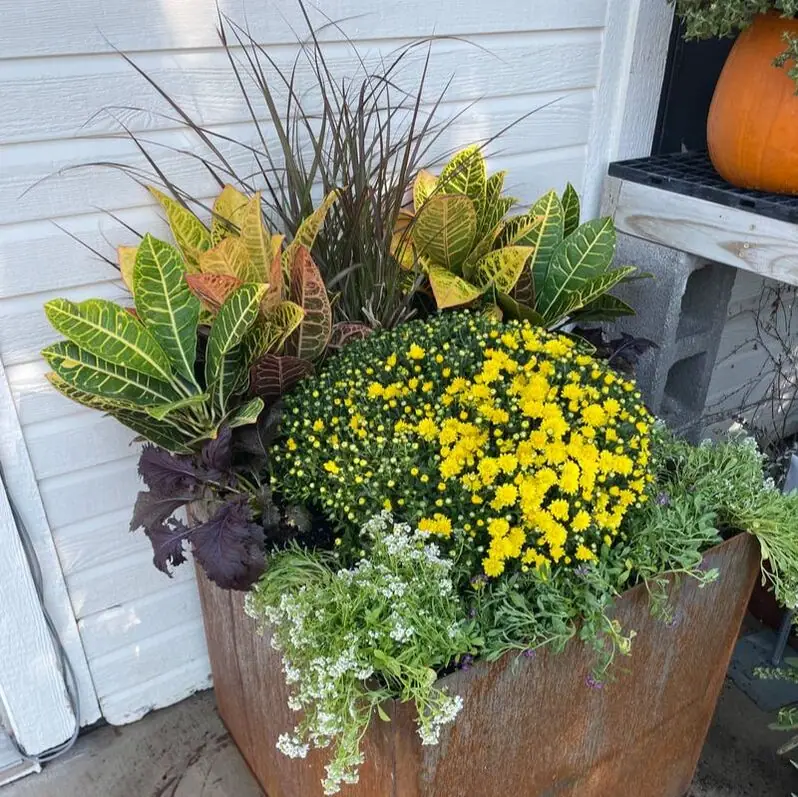
The most successful North Texas fall displays are not designed around one perfect plant. They combine plants that perform at different points in the season and use foliage, form and repetition to remain attractive when flowering slows. Begin with the conditions of the site, choose a dependable base plant and add a limited number of contrasting textures or accents. Give each plant enough room to grow, monitor soil moisture and be prepared to make small changes as temperatures fall.
If you would like help comparing options, bring photos, measurements and information about the area’s sunlight when you visit Color Crop Nursery and we can guide you through plant selection. Those details make it much easier to choose plants that fit the location and the look you want.
If you would like help comparing options, bring photos, measurements and information about the area’s sunlight when you visit Color Crop Nursery and we can guide you through plant selection. Those details make it much easier to choose plants that fit the location and the look you want.