When spring arrives, many homeowners begin thinking about new flower beds, trees and landscape improvements. However, experienced gardeners and landscape professionals know that fall is often one of the best planting seasons in North Texas. The cooler air makes outdoor work more comfortable, but the real benefit happens beneath the soil. Trees, shrubs and many perennials planted in fall have time to begin establishing their roots before they must face another North Texas summer. This does not mean every plant should be planted in fall or that newly installed plants can be ignored once the weather cools. Success still depends on choosing the right plant, planting it correctly and providing appropriate water throughout the establishment period.
Why Fall Planting Works So Well
During summer, newly planted trees and shrubs must cope with intense sunlight, high temperatures and rapid moisture loss while also trying to establish new roots. That combination can place considerable stress on a plant. Fall usually provides a more forgiving transition, as daytime temperatures become milder, plants lose water more slowly and generally experience less heat stress. At the same time, the soil often remains warm enough for root development, even after the top of a deciduous plant begins entering dormancy.
The Texas A&M Forest Service identifies late fall through early spring as an excellent time to plant trees in Texas because the cooler season provides time for root development and acclimation. A plant that develops a stronger root system during fall, winter and early spring is usually better prepared to handle heat and dry conditions when summer returns.
The Texas A&M Forest Service identifies late fall through early spring as an excellent time to plant trees in Texas because the cooler season provides time for root development and acclimation. A plant that develops a stronger root system during fall, winter and early spring is usually better prepared to handle heat and dry conditions when summer returns.
Plants That Benefit From Fall Planting
Trees
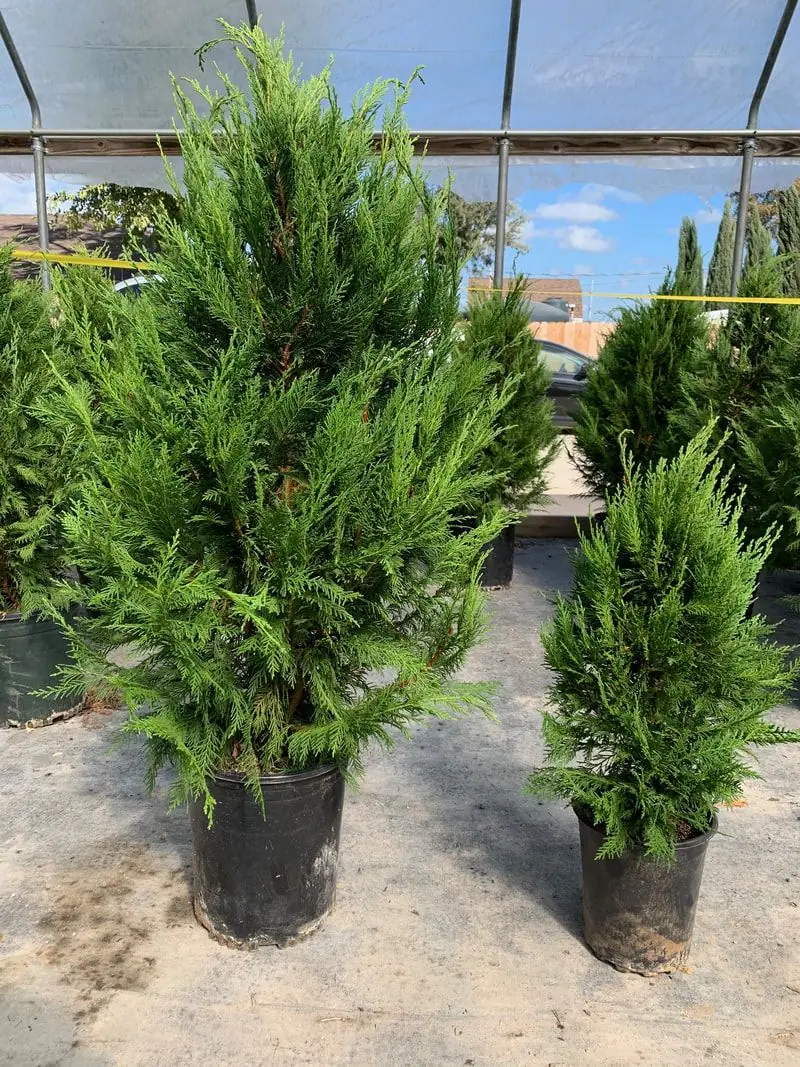
Shade trees, ornamental trees and many evergreen trees benefit from being planted during the cooler season. Before choosing a tree, consider its mature height and width—not just its current container size.
Also look for potential conflicts with:
A tree may look small when purchased, but choosing the correct location at planting time can prevent expensive problems later.
Shade trees, ornamental trees and many evergreen trees benefit from being planted during the cooler season. Before choosing a tree, consider its mature height and width—not just its current container size.
Also look for potential conflicts with:
- Rooflines and foundations
- Overhead utility lines
- Underground utilities
- Driveways and sidewalks
- Fences
- Septic systems
- Irrigation lines
- Nearby trees
A tree may look small when purchased, but choosing the correct location at planting time can prevent expensive problems later.
Shrubs
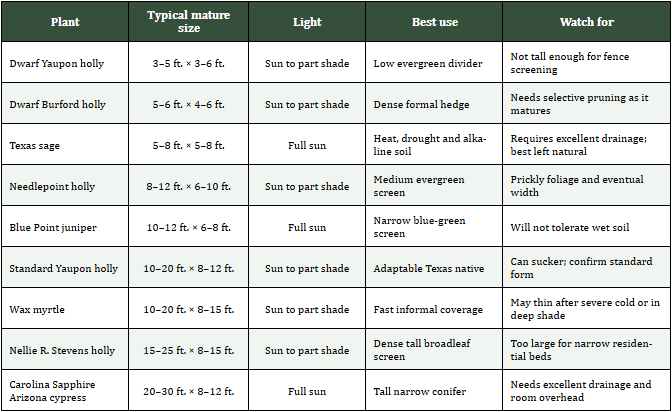
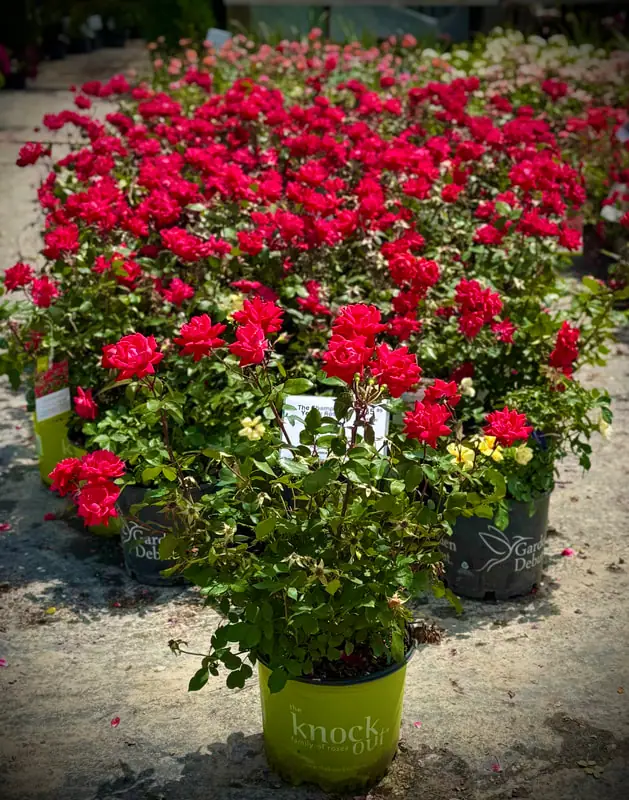
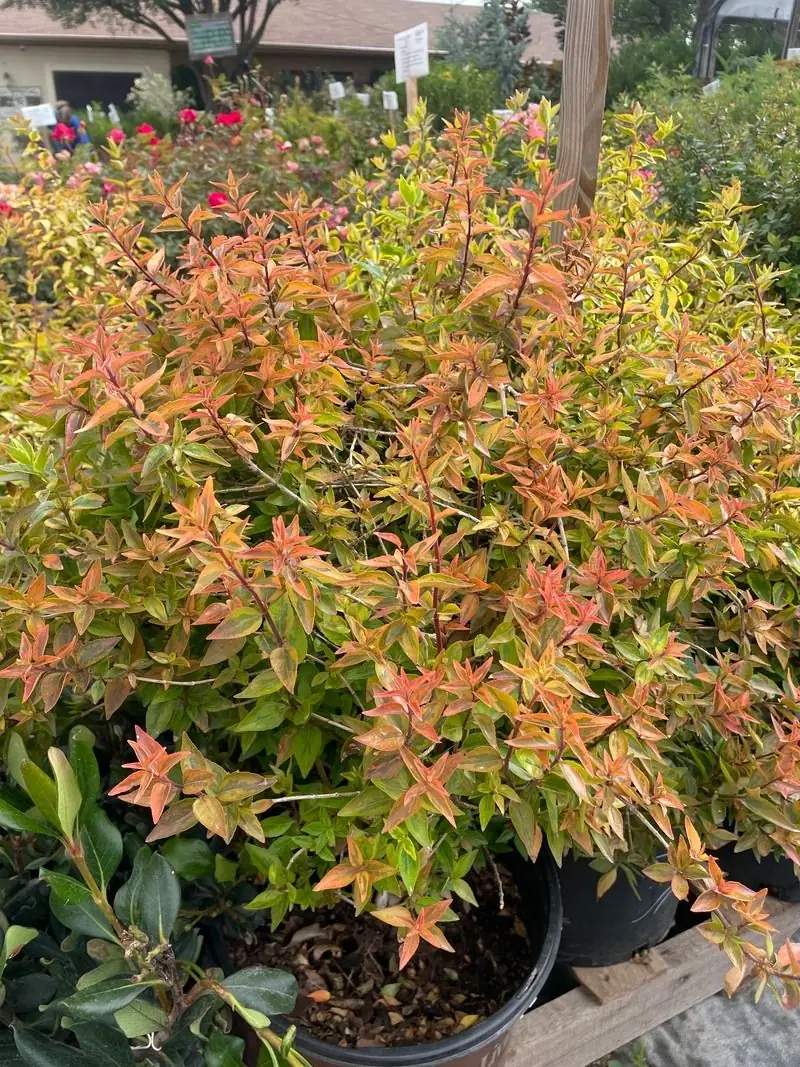
Fall is an excellent time to install foundation shrubs, flowering shrubs, privacy screens and evergreen structure.
North Texas landscapes can include plants such as abelia, holly, wax myrtle, juniper, mahonia, distylium, elaeagnus and many others. However, no plant is right for every property.
Before purchasing a shrub, compare its needs with the site’s:
Our guide to the best summer shrubs for North Texas landscapes provides several examples of shrubs that can handle our summer conditions once established.
Fall is an excellent time to install foundation shrubs, flowering shrubs, privacy screens and evergreen structure.
North Texas landscapes can include plants such as abelia, holly, wax myrtle, juniper, mahonia, distylium, elaeagnus and many others. However, no plant is right for every property.
Before purchasing a shrub, compare its needs with the site’s:
- Daily hours of direct sunlight
- Morning or afternoon sun exposure
- Soil drainage
- Available irrigation
- Mature planting space
- Desired level of maintenance
- Need for flowers, privacy or evergreen foliage
Our guide to the best summer shrubs for North Texas landscapes provides several examples of shrubs that can handle our summer conditions once established.
Perennials
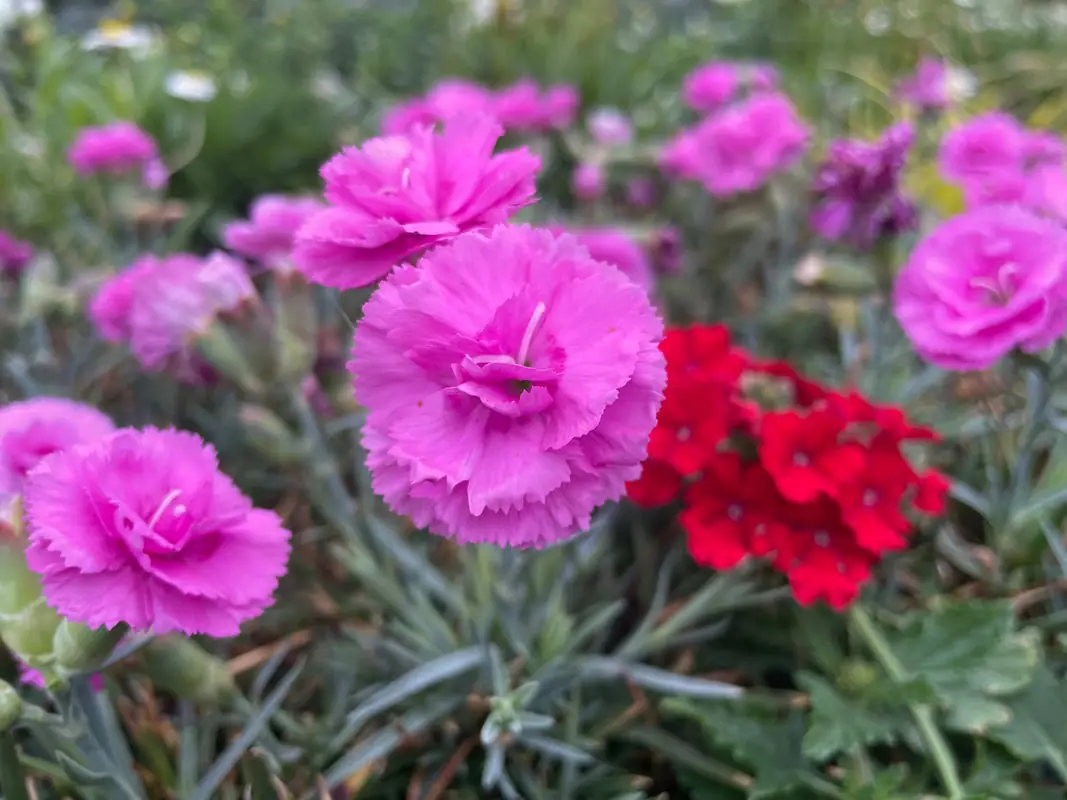
Many cold-hardy perennials can also be planted in fall. Their top growth may slow or disappear after cold weather arrives, but their roots can continue settling into the surrounding soil. Do not assume a dormant perennial is dead simply because it loses its leaves. Learn whether the plant is evergreen, semi-evergreen or naturally dormant before removing it.
Many cold-hardy perennials can also be planted in fall. Their top growth may slow or disappear after cold weather arrives, but their roots can continue settling into the surrounding soil. Do not assume a dormant perennial is dead simply because it loses its leaves. Learn whether the plant is evergreen, semi-evergreen or naturally dormant before removing it.
Cool-Season Annuals
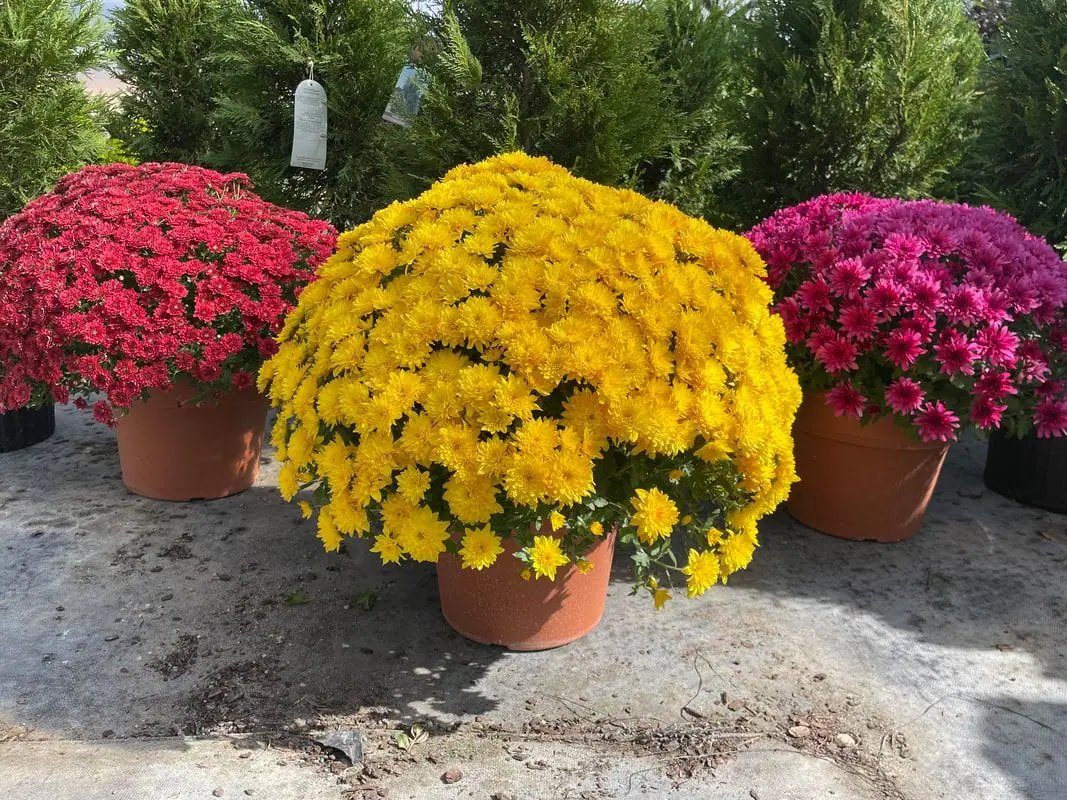
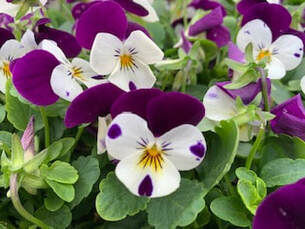
Fall is also the beginning of North Texas’s cool-season color season. Pansies, violas, ornamental kale, ornamental cabbage, snapdragons and other cold-tolerant plants can keep beds and containers colorful during months when warm-season annuals decline. Petunias can provide beautiful fall color while temperatures are mild, although their performance during winter depends on the variety and severity of the weather. Read more in our guide to growing petunias for fall.
Fall is also the beginning of North Texas’s cool-season color season. Pansies, violas, ornamental kale, ornamental cabbage, snapdragons and other cold-tolerant plants can keep beds and containers colorful during months when warm-season annuals decline. Petunias can provide beautiful fall color while temperatures are mild, although their performance during winter depends on the variety and severity of the weather. Read more in our guide to growing petunias for fall.
Plants That May Need a Different Schedule
Fall is a valuable planting season, but it is not automatically the best time for every plant. Cold-sensitive tropicals and warm-season annuals may not have enough time to establish before freezing temperatures arrive. Plants that are marginally hardy in North Texas may also need extra protection if planted late in the season.
Before planting, ask:
A plant’s hardiness zone is helpful, but it is only one part of the decision. Wind exposure, drainage, plant age, establishment, container placement and sudden temperature changes can all affect cold tolerance.
Fall is a valuable planting season, but it is not automatically the best time for every plant. Cold-sensitive tropicals and warm-season annuals may not have enough time to establish before freezing temperatures arrive. Plants that are marginally hardy in North Texas may also need extra protection if planted late in the season.
Before planting, ask:
- Is this plant cold-hardy in my part of North Texas?
- Is it normally grown here as an annual or a perennial?
- Will it remain outside through winter?
- How soon is freezing weather expected?
- Will I be able to protect it during a hard freeze?
A plant’s hardiness zone is helpful, but it is only one part of the decision. Wind exposure, drainage, plant age, establishment, container placement and sudden temperature changes can all affect cold tolerance.
Choose the Plant Before Digging the Hole
Fall weather cannot make up for placing the wrong plant in the wrong location. Begin by observing the planting site. Estimate how much direct sunlight it receives and note whether that exposure occurs during the cooler morning hours or the hotter afternoon. Next, check the drainage. A low area that holds water after rain will not be suitable for plants that require sharply drained soil. Likewise, a dry, reflected-heat location beside pavement may be too stressful for a plant that prefers consistent moisture and afternoon protection. Finally, research the plant’s mature size. Crowding several large shrubs into a narrow foundation bed may look full immediately, but it often creates years of unnecessary pruning and poor air circulation. A successful landscape should be designed for what the plants will become—not simply how they look on planting day.
Prepare North Texas Soil Carefully
North Texas soils vary, but many local properties have heavy clay, compacted construction soil or areas with poor drainage. Do not automatically dig a deep hole and fill it with rich planting mix. If the amended planting hole is very different from the surrounding soil, it can hold excess water and discourage roots from expanding into the native soil.
Instead:
If the site drains poorly, solve the drainage problem before installing plants that cannot tolerate wet roots. Raising the planting area or selecting a plant suited to the existing conditions may be better than repeatedly treating a plant that is struggling in the wrong location.
Instead:
- Dig a hole twice as large as the plant’s root ball.
- Place the plant so the top of the root ball is level with or slightly above the surrounding grade, depending on the site and drainage.
- Backfill carefully, breaking apart large soil clods.
- Water thoroughly to settle the soil and remove large air pockets.
- Avoid piling extra soil over the top of the root ball.
If the site drains poorly, solve the drainage problem before installing plants that cannot tolerate wet roots. Raising the planting area or selecting a plant suited to the existing conditions may be better than repeatedly treating a plant that is struggling in the wrong location.
Remember That Fall-Planted Does Not Mean Established
One of the most common fall planting mistakes is assuming cooler weather eliminates the need for watering. New plants still depend heavily on the moisture inside their original root balls. The surrounding bed may feel damp while the root ball itself is dry—or the root ball may remain saturated while the surrounding soil appears dry. Check the soil by hand instead of relying only on a fixed watering schedule.
When checking moisture:
Evergreen plants continue losing moisture through their foliage during winter. Deciduous plants use less water after losing their leaves, but their roots should not be allowed to remain completely dry for extended periods. Watering needs will vary considerably between a newly planted three-gallon shrub, a large container-grown tree and an established landscape. The goal is consistent, appropriate moisture—not constantly wet soil.
When checking moisture:
- Feel the soil near the root ball, not just the surface.
- Water deeply enough to moisten the root zone.
- Allow appropriate drainage between waterings.
- Adjust for rainfall, wind, temperature and soil type.
- Check containers more frequently than plants in the ground.
- Continue monitoring during winter dry spells.
Evergreen plants continue losing moisture through their foliage during winter. Deciduous plants use less water after losing their leaves, but their roots should not be allowed to remain completely dry for extended periods. Watering needs will vary considerably between a newly planted three-gallon shrub, a large container-grown tree and an established landscape. The goal is consistent, appropriate moisture—not constantly wet soil.
Add Mulch, but Keep It Away From the Trunk
Mulch helps conserve soil moisture, reduce weed competition and moderate soil-temperature changes. The Texas A&M Forest Service recommends applying approximately two to three inches of mulch around newly planted trees while keeping it away from direct contact with the trunk. The same basic principle applies to shrubs and many perennials. Spread mulch across the root zone, but do not build a mound against the trunk or stems. Excess mulch piled around a plant’s base can trap moisture, hide decay and encourage roots to grow in unhealthy patterns. Think “wide and shallow,” not “mulch volcano.”
Avoid Heavy Fertilization at Planting Time
A newly installed tree or shrub needs to establish roots before being pushed into rapid top growth. Do not assume that more fertilizer will make a new plant establish faster. Excess fertilizer can injure roots, encourage poorly timed growth or add nutrients the soil does not need. If fertilizer is appropriate, base the choice and rate on the plant, soil conditions and current product label. A soil test may be helpful when preparing a large bed or when plants have shown recurring nutrient problems. Proper placement, soil moisture and root health are usually more important during establishment than aggressive fertilization.
Prepare for the First Freeze
Fall-planted hardy trees and shrubs generally handle ordinary seasonal temperature changes well, but newly installed plants still deserve attention before a significant freeze.
Before cold weather arrives:
Avoid placing plastic directly against foliage. Also remember that a cover provides only limited protection; it cannot make a tropical plant fully winter-hardy.
Before cold weather arrives:
- Check soil moisture and water appropriately if conditions are dry.
- Apply a 2" - 3" layer of mulch over the root zone.
- Move cold-sensitive containers into a protected location when possible.
- Cover tender plants with frost cloth or breathable fabric.
- Extend covers to the ground to help retain warmth from the soil.
- Secure coverings so they do not blow away.
- Remove or open covers after temperatures rise.
Avoid placing plastic directly against foliage. Also remember that a cover provides only limited protection; it cannot make a tropical plant fully winter-hardy.
Fall Planting Checklist
Before planting, confirm that you have:
- Chosen a plant suited to North Texas
- Verified its mature height and width
- Observed the site’s sunlight
- Checked the soil’s drainage
- Located utilities and irrigation lines
- Dug a wide planting hole
- Set the plant at the correct depth
- Watered the root ball thoroughly
- Added mulch without covering the trunk or crown
- Created an establishment-watering plan
- Identified any winter-protection needs
Give Plants a Head Start Before Summer
Fall planting is not a shortcut, but it gives many trees, shrubs and perennials a valuable head start. Cooler air, warm soil and a longer establishment period can help plants enter their first North Texas summer with a stronger root system and less transplant stress. The key is to combine good timing with good decisions: choose a suitable plant, prepare the site properly, plant at the correct depth and continue checking moisture after installation. If you are unsure which plant fits your property, bring photos, measurements and information about the site’s sunlight and drainage when you visit Color Crop Nursery. We will be happy to help you compare appropriate options without turning the process into guesswork.