If you’re looking for vibrant color to brighten your garden this fall, petunias are an excellent choice for gardeners in Zone 8. Known for their lush blooms and versatility, petunias bring life to flower beds, containers, and hanging baskets when other plants start to fade.
Why Petunias Are Perfect for Fall in Zone 8
Zone 8 enjoys a mild fall climate, with daytime temperatures averaging between 60°F and 80°F and cooler nights. These conditions are ideal for petunias, which thrive in cooler temperatures after the summer heat subsides. Unlike in northern regions where frost arrives early, Zone 8 offers an extended growing season, allowing petunias to flourish well into late fall and sometimes even winter.
When to Plant Petunias in Fall - Zone 8
For fall color, plant petunias in late summer to early fall, typically between late August and early October, depending on local temperatures. Planting during this window ensures the roots establish before any potential frost. Petunias are tender perennials in warm climates but are generally treated as annuals. In Zone 8, they often last until the first hard frost, which is usually late November or December.
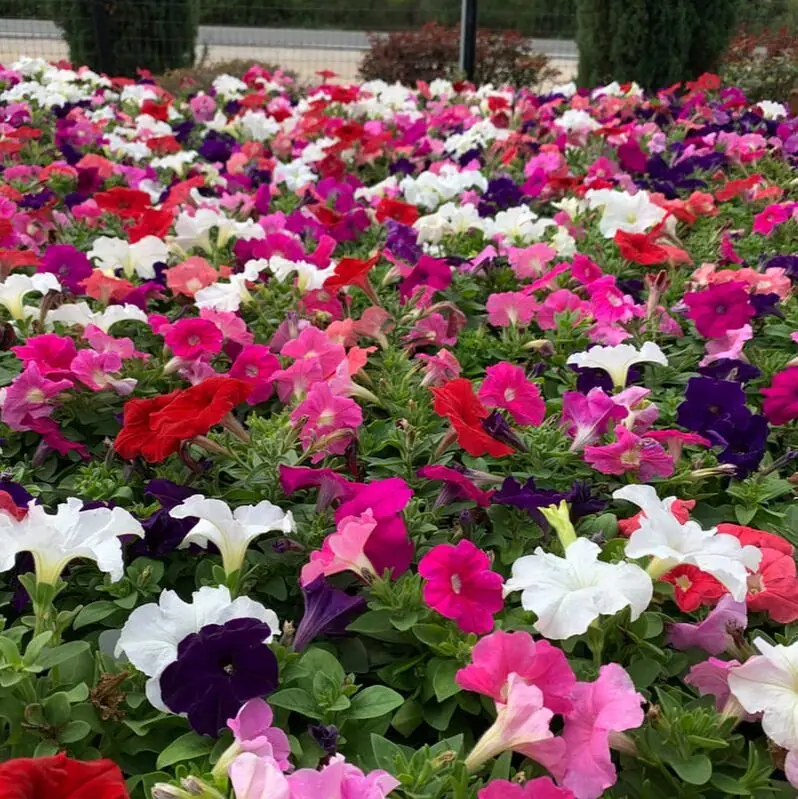
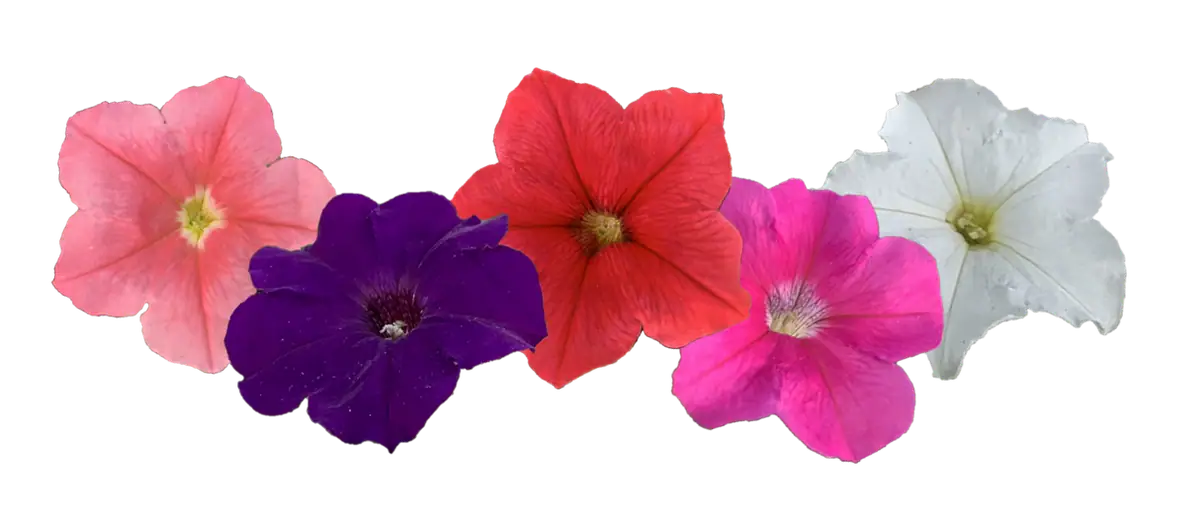
Mix Petunias
How to Plant Petunias for the Best Success
- Choose the Right Location: Petunias need full sun for at least 6 hours a day to produce abundant blooms. Ensure the site is well-draining to prevent root rot.
- Prepare the Soil: These flowers prefer a slightly acidic to neutral soil (pH 6.0–7.0) enriched with organic matter. Mix in compost or a slow-release balanced fertilizer before planting
- Spacing: Plants should be 8 to 12 inches apart for compact varieties and up to 18 inches apart for spreading types.
- Container Planting: Use a lightweight, well-draining potting mix for container arrangements. Hanging baskets and window boxes are perfect for showcasing cascading petunias in fall.
- Water thoroughly after planting to help roots settle.
Pro Tip: Start your fall petunias early for the best results! Planting in late summer ensures strong roots and longer-lasting blooms.
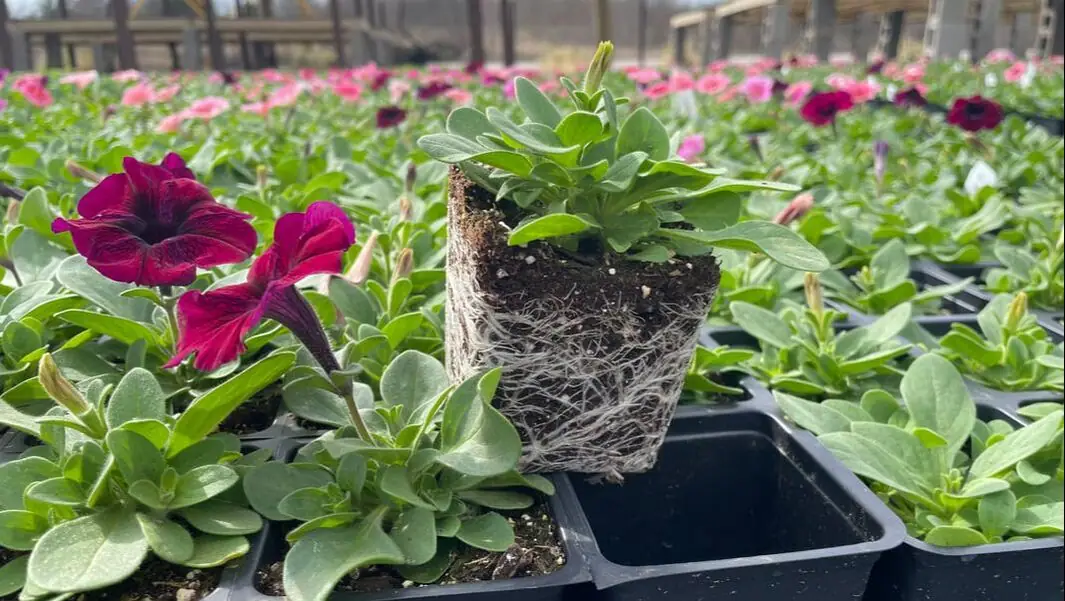
Healthy Petunia Roots
Caring for Fall Petunias
- Watering: Keep the soil evenly moist but not soggy. Reduce watering during cooler weather, but don’t let the soil dry out completely.
- Fertilizing: Feed every 2 to 3 weeks with a balanced liquid fertilizer to encourage continuous blooming.
- Deadheading: Regularly remove spent flowers to keep plants tidy and stimulate new blooms.
- Pest & Disease Management: Watch for aphids, caterpillars, and fungal issues like gray mold. Good air circulation and avoiding overhead watering help prevent problems.
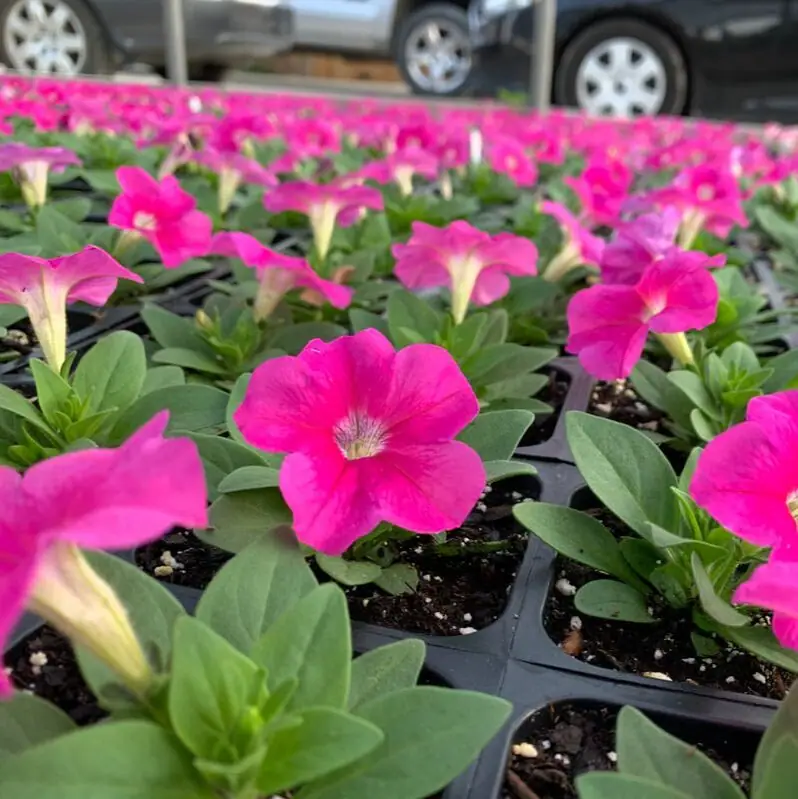
Rose Petunias
How Long Will Petunias Last in Zone 8?
In Zone 8, petunias can bloom well into late fall and sometimes even into early winter, depending on frost dates. When nighttime temperatures consistently dip below 40°F, growth slows, and flowers may decline. If you want to extend their life, consider covering plants during light frosts or moving containers to sheltered areas.
Design Ideas for Fall Gardens
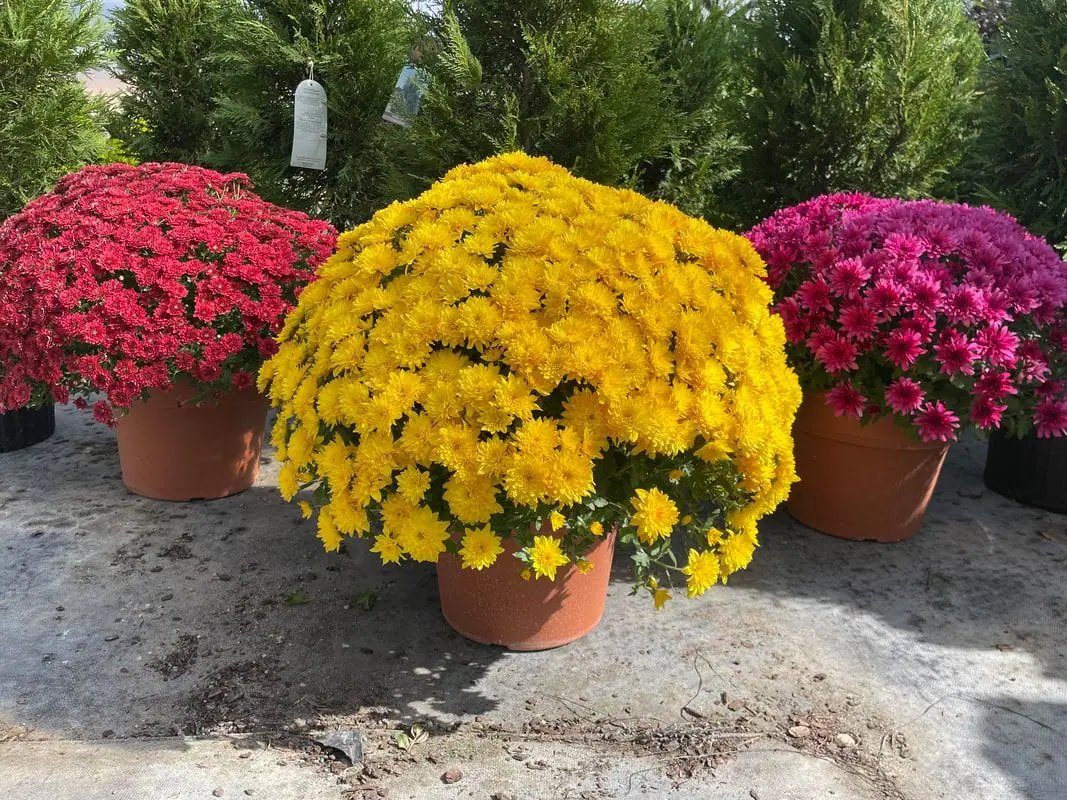
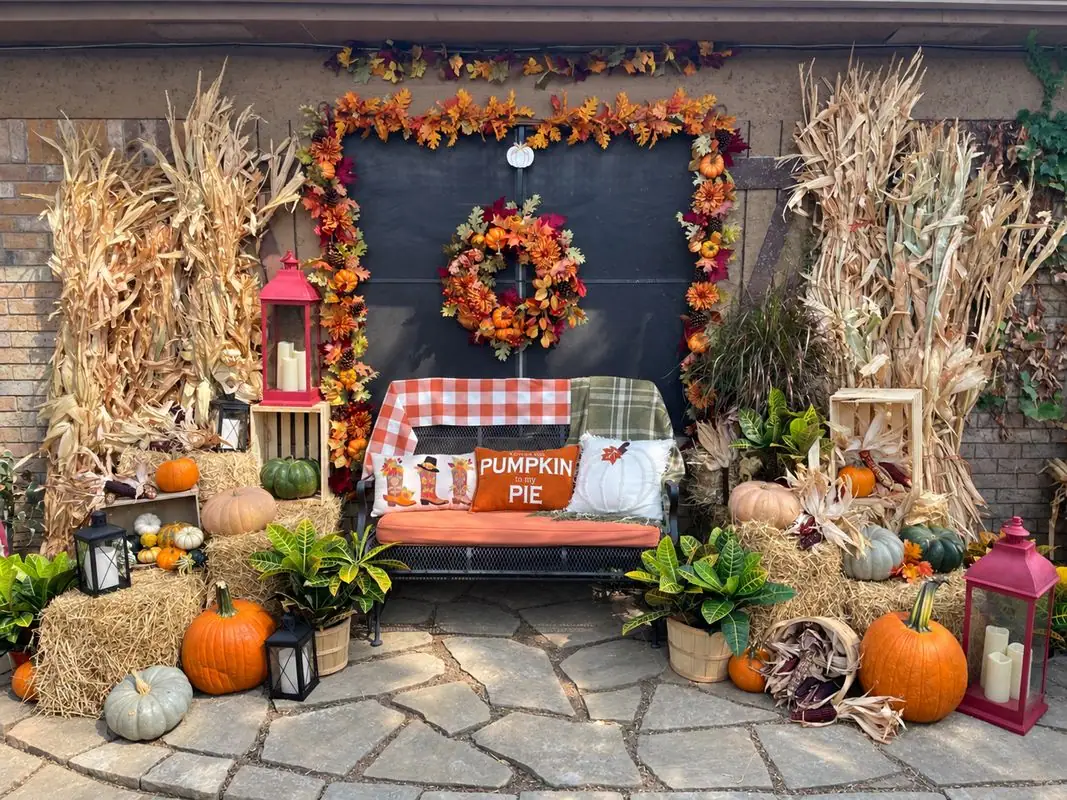
Petunias pair beautifully with pansies, violas, dusty miller, and ornamental kale for an autumn-friendly display. Combine jewel-toned petunias with pumpkins, gourds, and seasonal décor for a festive look in beds and containers. Choose rich jewel tones, such as deep purple, burgundy, and vibrant red, for a seasonal color scheme that complements autumn décor.
Petunias are an affordable, easy-to-grow option for adding bold color and texture to your Zone 8 garden in the fall. With proper care and planning, these blooms will keep your outdoor spaces lively long after summer ends. Whether in beds, borders, or containers, petunias promise a season of beauty and vibrant color before winter arrives.
Petunias are an affordable, easy-to-grow option for adding bold color and texture to your Zone 8 garden in the fall. With proper care and planning, these blooms will keep your outdoor spaces lively long after summer ends. Whether in beds, borders, or containers, petunias promise a season of beauty and vibrant color before winter arrives.