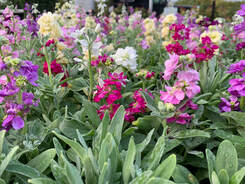
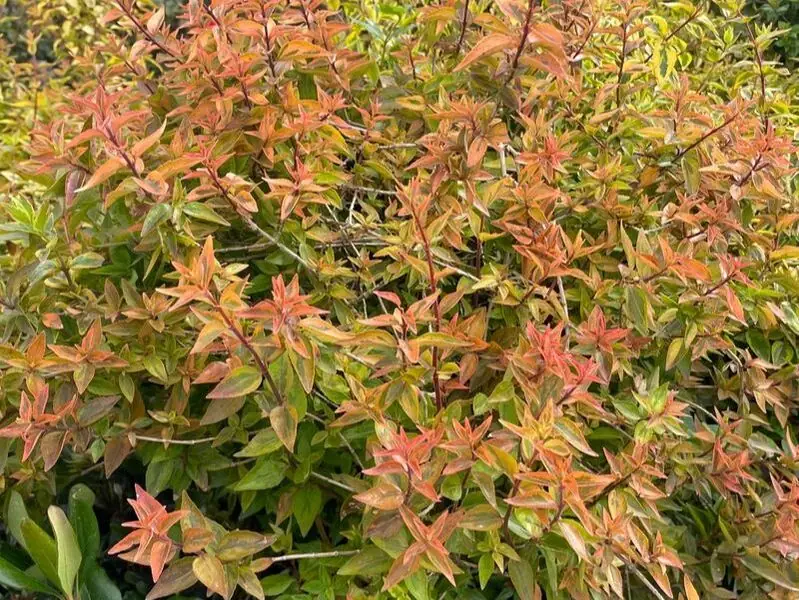
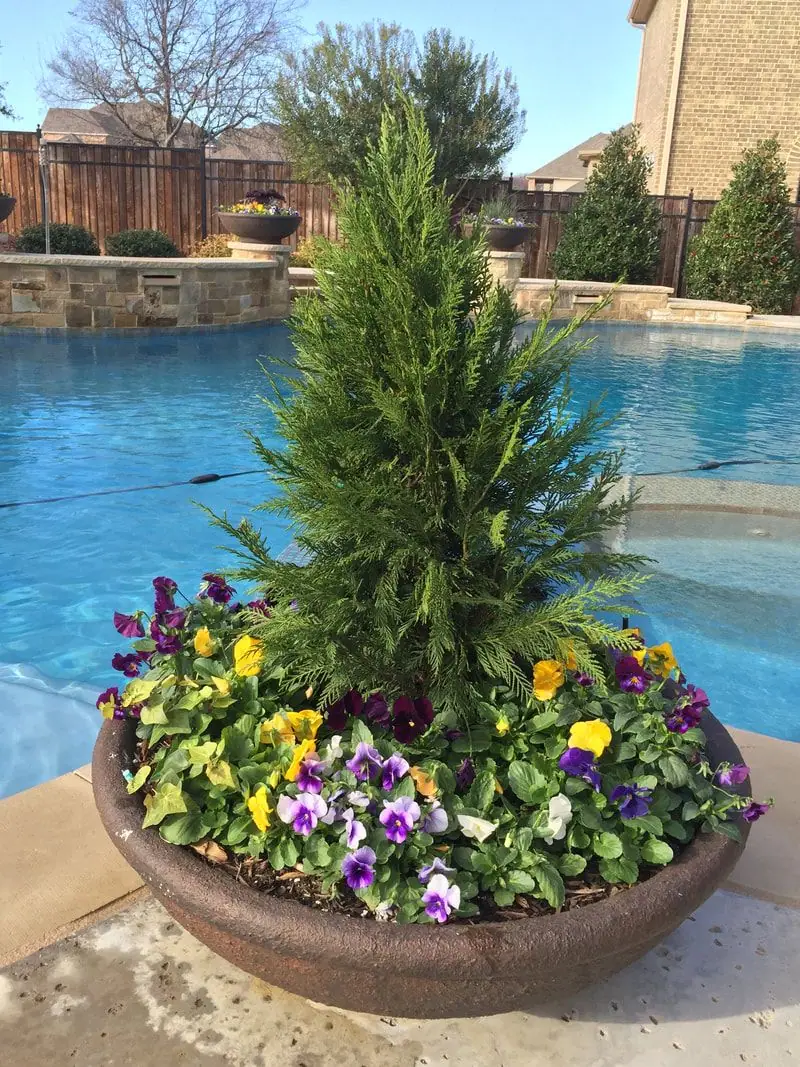
North Texas summers can be harsh - not only for people, but for plants as well. The scalding heat, high humidity, and dry spells can cause even the most manicured gardens to struggle. With a few handy strategies you can keep your yard in tip-top shape all summer long.
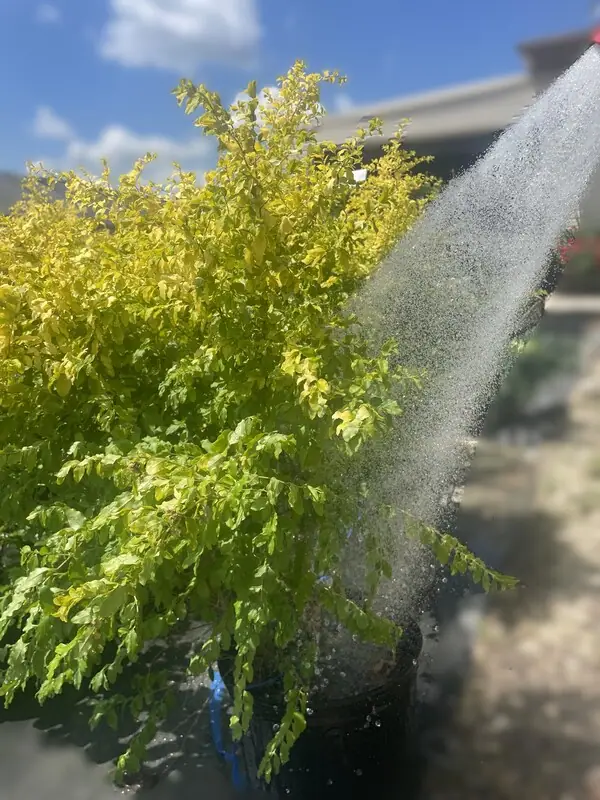
Sunshine Ligustrum being Watered
Water Deeply
One of the most common mistakes we see during summer is shallow watering. This causes roots to grow at surface-level, creating a weak plant that dries out quickly. We recommend using a reliable soaker hose or drip irrigation to minimize your hands-on time and put your water where it needs to be, not evaporating in the air!
We know that irrigation systems aren't always feasible or practical for gardeners. Watering by hand in the summer takes a good amount of time, when done properly. When watering by hand be sure to water an area heavily, then let it rest for a moment and water another area before returning to water again. Ideally you should make three passes on each area. This method allows the water to permeate the soil (dry soil doesn't absorb water quickly).
We know that irrigation systems aren't always feasible or practical for gardeners. Watering by hand in the summer takes a good amount of time, when done properly. When watering by hand be sure to water an area heavily, then let it rest for a moment and water another area before returning to water again. Ideally you should make three passes on each area. This method allows the water to permeate the soil (dry soil doesn't absorb water quickly).
Mulch

If your garden beds are bare, you are losing a lot of moisture unnecessarily. A three-inch layer of mulch will help retain soil moisture, regulate temperature and suppress weeds that are sucking up water!
We recommend Native Hardwood Mulch in general, but other options may suit your needs better.
We recommend Native Hardwood Mulch in general, but other options may suit your needs better.
- Native Hardwood Mulch: natural, medium decomposition, not easily washed away
- Fine Shredded Native Hardwood Mulch: natural, fast decomposition, not easily washed away (great for vegetable gardens and areas that are frequently mulched)
- Colored Mulch (Red, Black or Brown dyed): slow decomposition, curb appeal
- Pine Bark Mulch: slow decomposition, adds acid to soil as it breaks down (use around acid-loving plants)
- Cedar Mulch: slow decomposition, insect-repelling
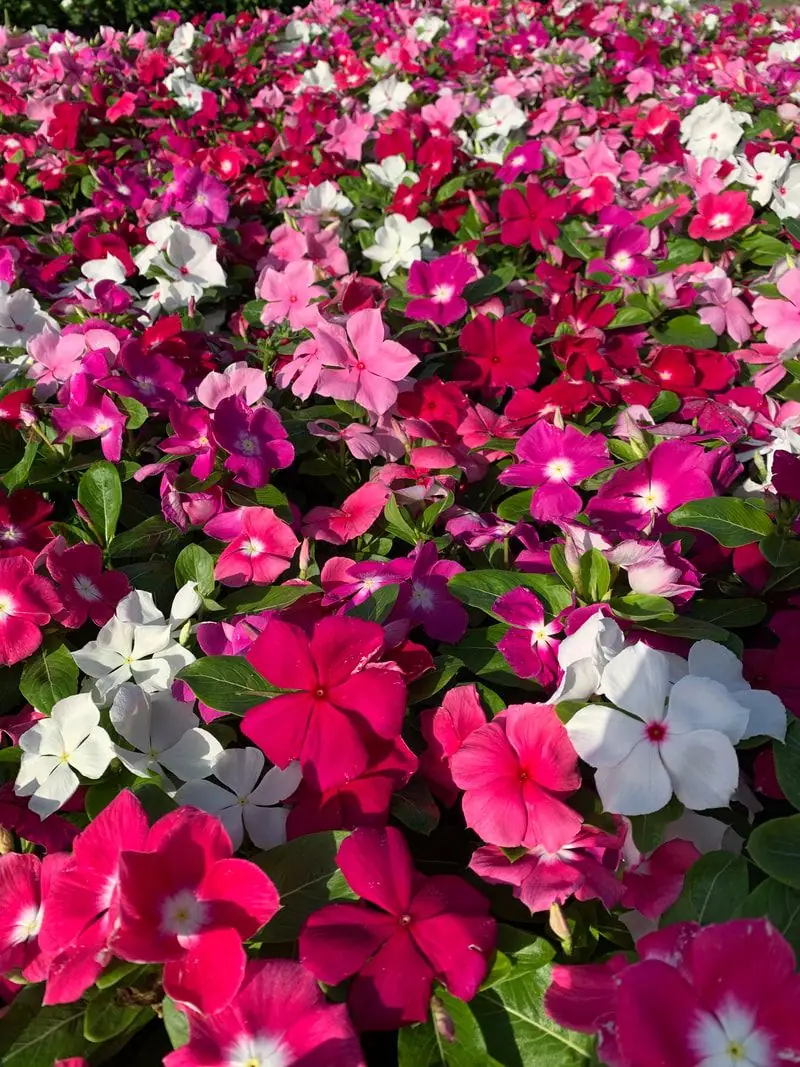
Mix Periwinkles (Vinca)
Heat Tolerant Plants
Not all plants can handle triple digit temperatures. Make sure to place plants where they will receive the correct amount of sunlight, some plants love the heat, but will not tolerate the afternoon sun! If your garden beds are struggling, try swapping in some tough summer warriors.
Perennials:
- Lantana
- Salvia
- Russian Sage
- Mexican Feather Grass
- Pink Muhly Grass
- Lemon Ball Sedum
Annuals:
- Periwinkles (Vinca)
- Blue Daze
- Zinnias
- Angelonia
- Scaevola
- Pentas
Don't Over-Fertilize
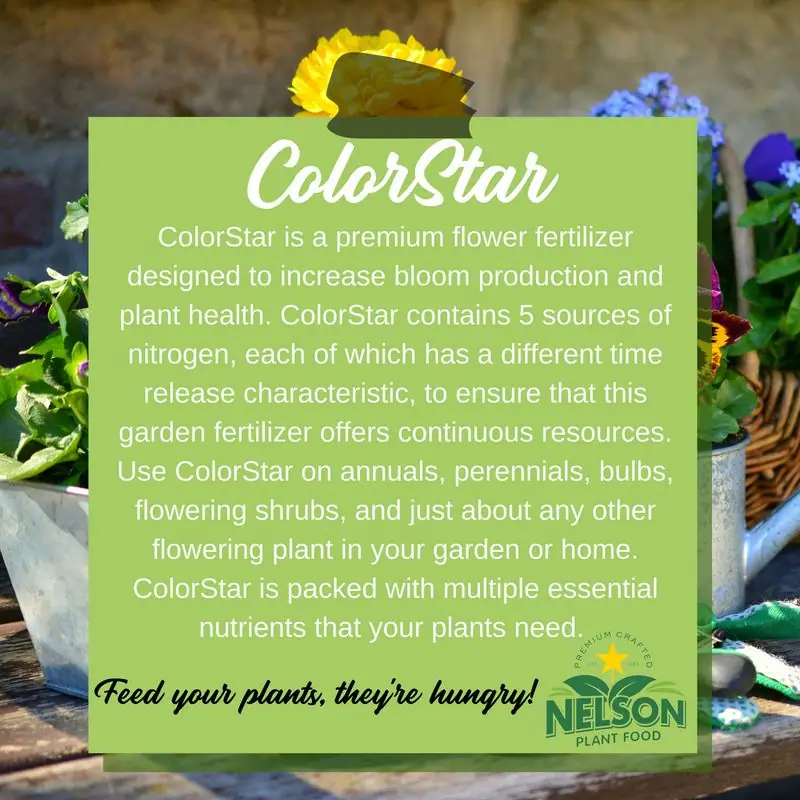
It is tempting to feed struggling plants more fertilizer, but in the heat that can actually do more harm than good. Excess fertilizer can burn roots and stress plants even further. If needed, stick to a slow-release fertilizer and be sure not to let any granules sit on the foliage. We recommend Nelson’s Color Star and we keep it in stock for your convenience.
Pests and Plant Stress
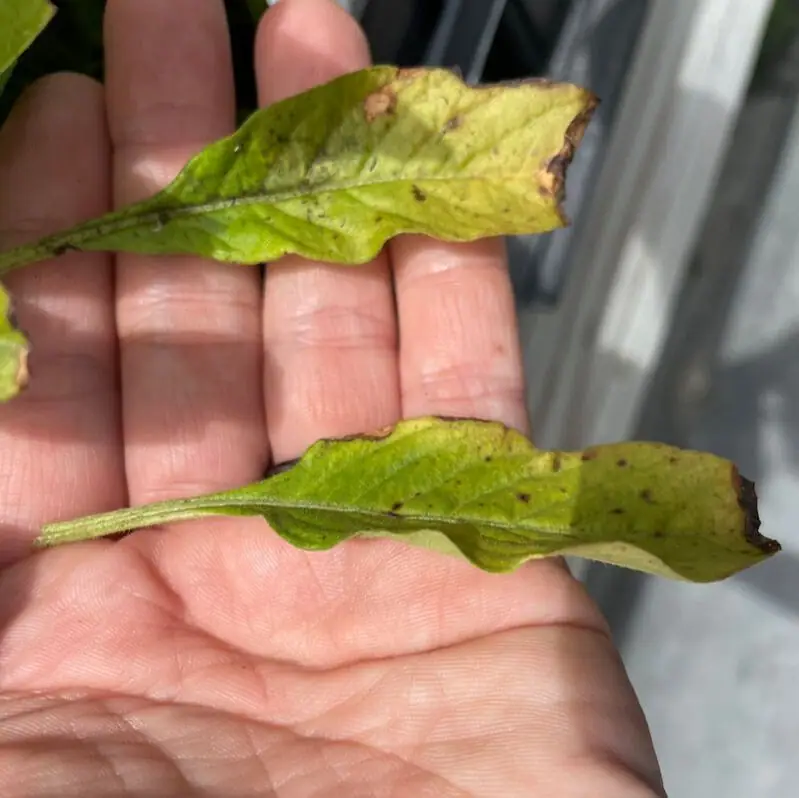
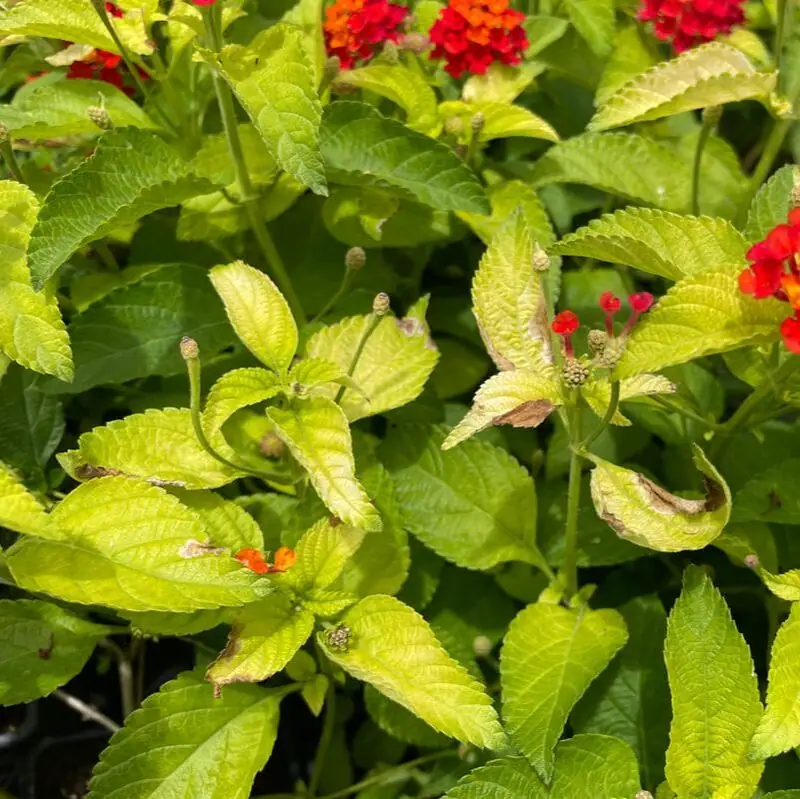
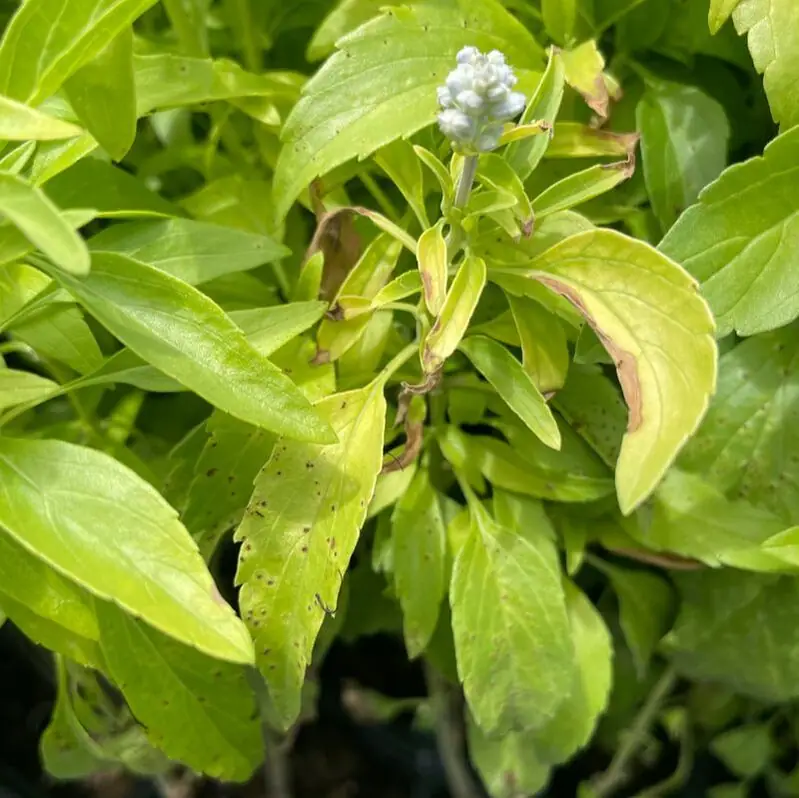
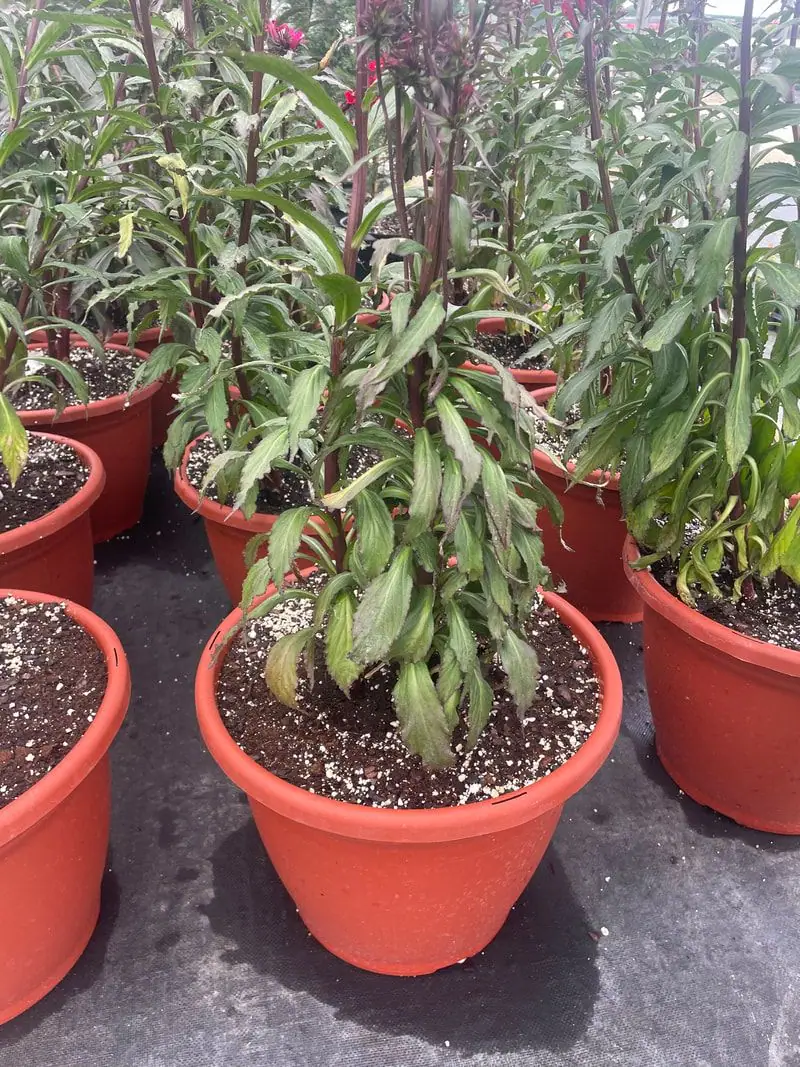
Summer heat weakens plants, making them more vulnerable to pests like spider mites and aphids, especially after a period of rain. Keep an eye out for discolored, wilting or sticky leaves. If something looks off, snap some photos and we can help you diagnose the problem. Capture the whole plant, close up of affected foliage or blooms and if possible the pests (they like to be under the leaves, in the shade).
New Plantings
New plantings are the most susceptible to the heat, since they have not established their root system. Sun exposure, temperature, wind and the type of plant will depend on how often it needs water, some you may have to water daily (just be sure to water deeply). Keep in mind most perennials and shrubs are focused on establishing their roots, so they may not show a lot of new growth above ground.

Need A Hand?
If your landscape needs a little more TLC than you have time for, we can recommend a landscaper to help. Summer mulch installations to routine maintenance, we want to ensure your yard is looking it’s best all season.
Stop by the nursery or give us a call, your garden will thank you!
Stop by the nursery or give us a call, your garden will thank you!